Food Waste Reduction App | UX/UI Case Study
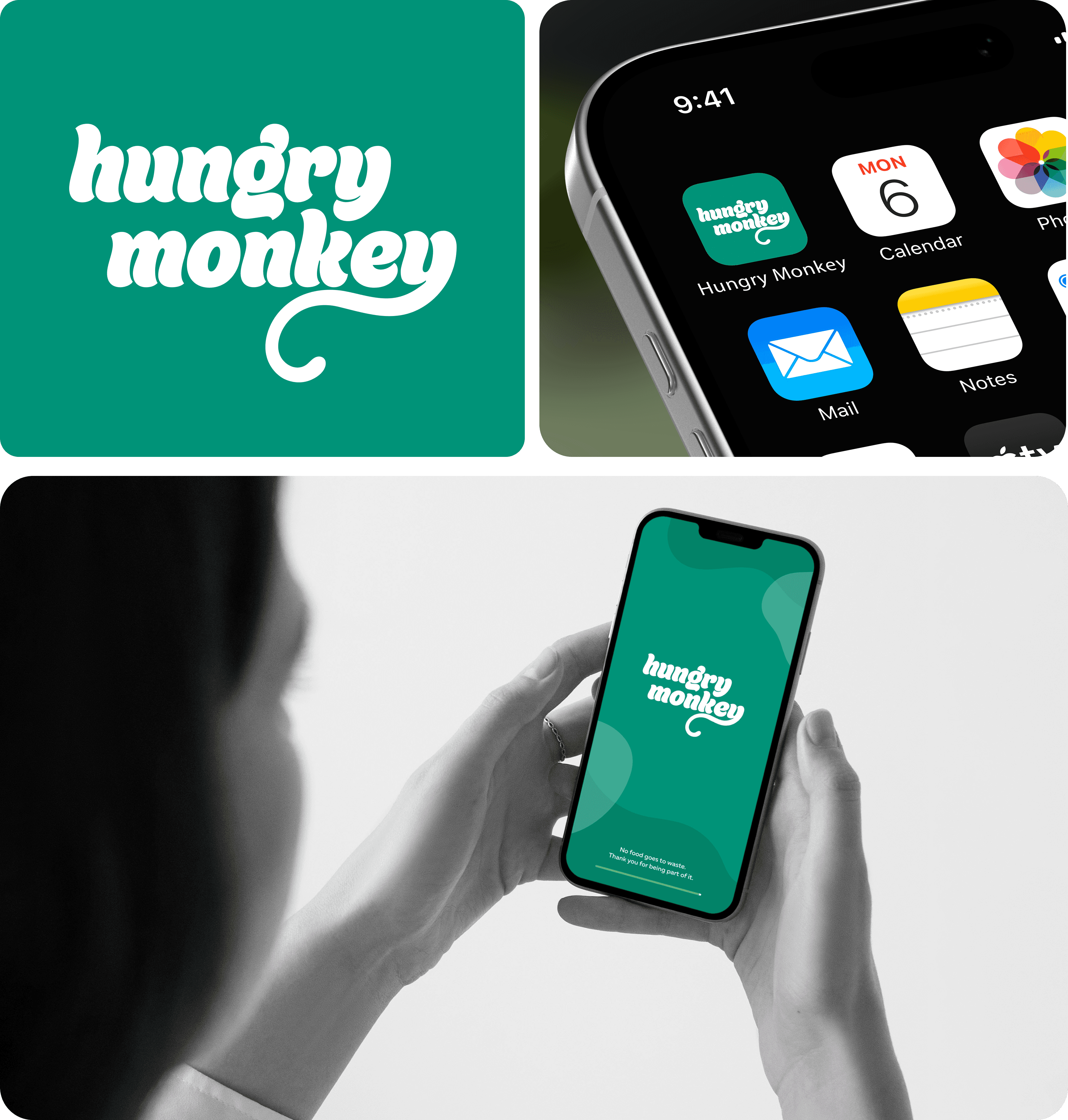
Hungry monkey
ROLE
UX/UI Designer
TIMELINE
3 month
YEAR
2025
Project description
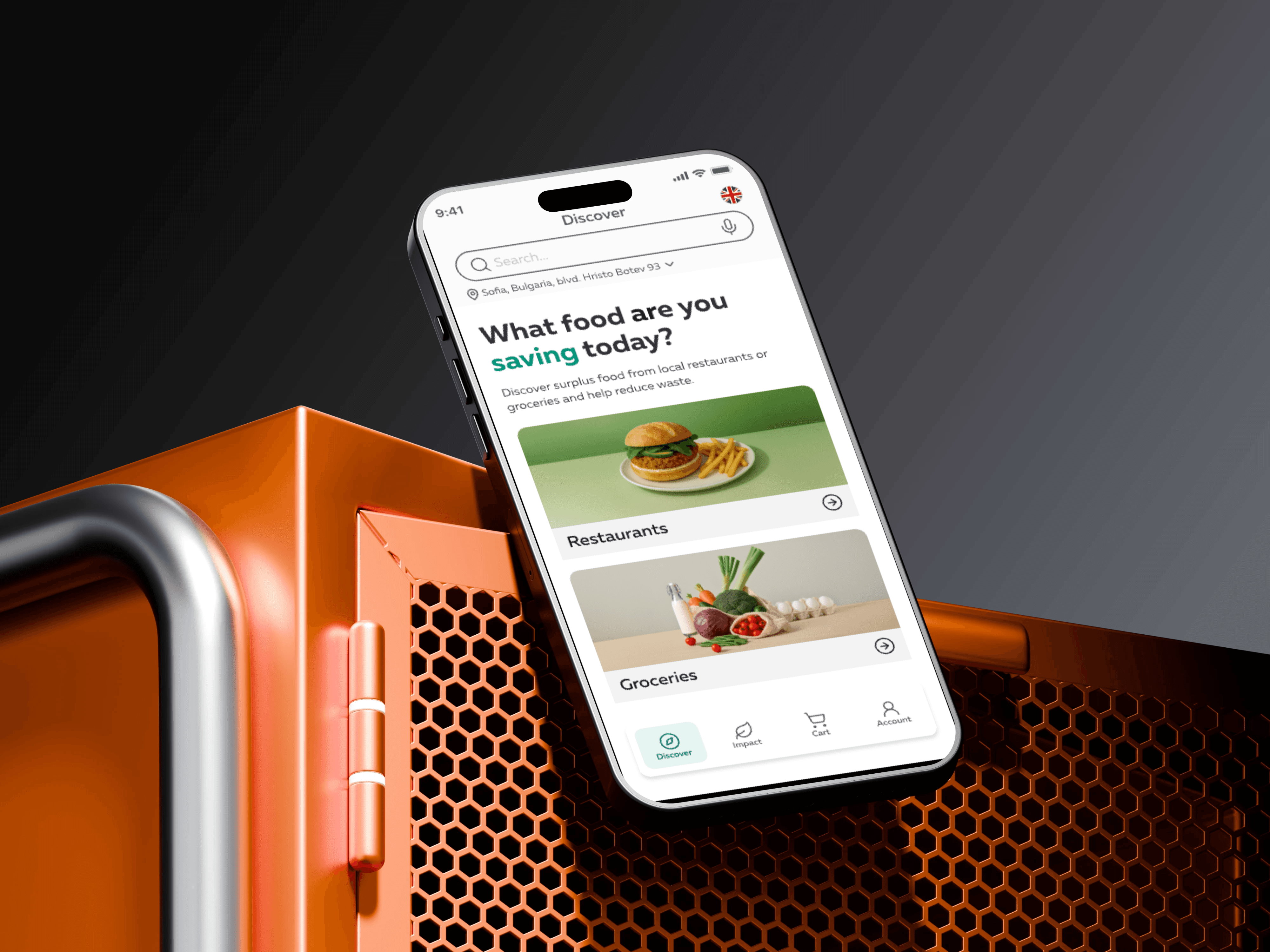
Hungry Monkey is an app that helps you save money & reduce food waste by discovering discounted surplus food from local restaurants and stores.
The Challenge
How might we reduce local food waste by making surplus food both desirable and easy to access?
The Problem
Despite growing awareness around sustainability, surplus food remains underutilized in Bulgaria.
Market & Business Gaps
Perfectly edible food is discarded daily, leading to financial losses for businesses.
Existing local platforms operate with limited partners, reducing choice and order probability.
Restaurants lack structured digital tools to turn sustainability into brand value.
User Barriers
Users question the quality and safety of discounted food.
Pickup processes are often unclear.
Discovery feels fragmented and inefficient.
Limited payment and fulfillment options create friction.
Convenience often outweighs intention.
Research
Based on research insights, two primary user personas were defined to represent the core user groups and their different motivations, goals, and behaviors.
The Smart Saver
Price-sensitive, convenience-driven, values efficiency.
The Conscious Helper
Motivated by sustainability and local impact.
Key Insights
• Users care about sustainability - but convenience drives decisions
• Price visibility and pickup clarity directly affect adoption
• Delivery is preferred over pick-up by 70% of surveyed users
My Approach
Hungry Monkey was approached as a behavior-driven marketplace, balancing user convenience with partner value.
• Conducted research to understand trust barriers and delivery preferences
• Defined dual personas: value-driven users and sustainability-driven users
• Designed scalable IA supporting a growing partner network
• Built a custom design system from scratch
• Validated usability through iterative testing and accessibility checks
The Solution
Hungry Monkey transforms surplus food into a scalable and trustworthy digital ecosystem.
Expanding Access
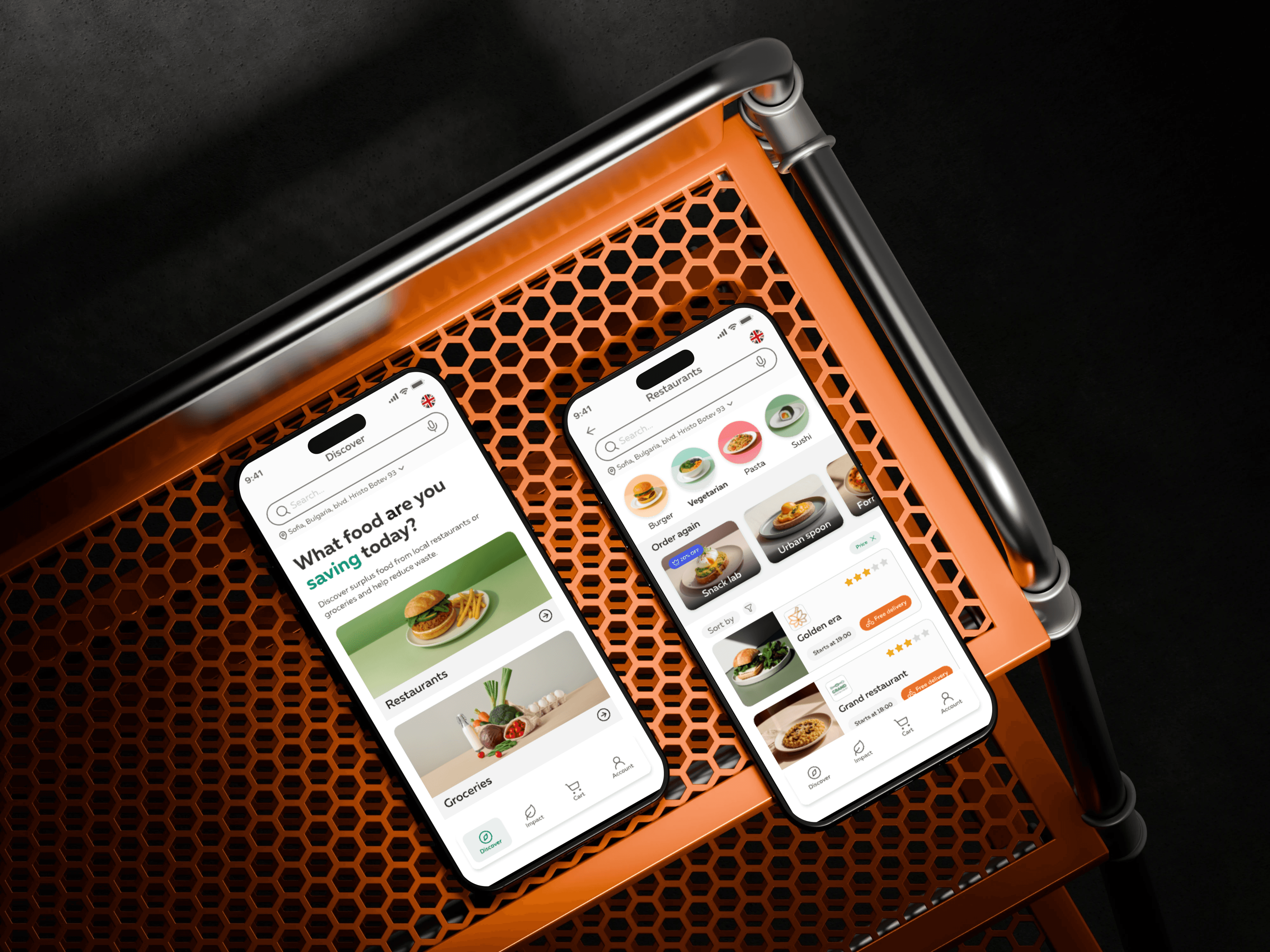
A wide network of restaurants and stores increases choice and order probability.
Smart filters and voice search simplify discovery.
Bilingual experience supports broader accessibility.
Convenience First
Flexible delivery and pickup options reduce friction.
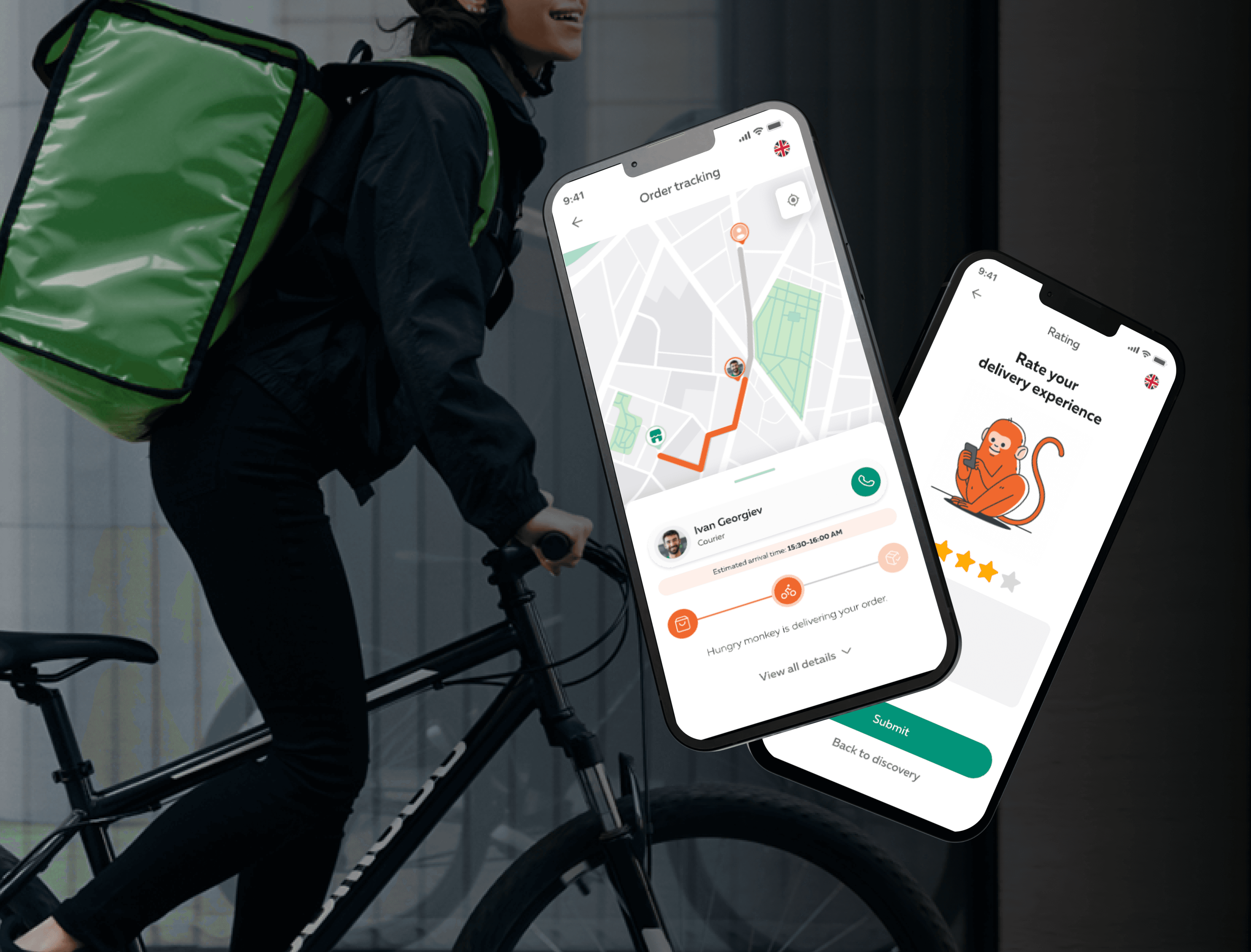
Real-time tracking increases transparency.
In-app navigation guides users to pickup locations.
Built for Trust
Detailed product descriptions and allergen visibility improve confidence.
Transparent pricing clarifies value.
Contrast-tested, accessibility-conscious design ensures readability across screens.
Frictionless Payments
Multiple payment options including Apple Pay.
Voucher integration.
Streamlined checkout minimizing effort.
Behavioral Impact Layer
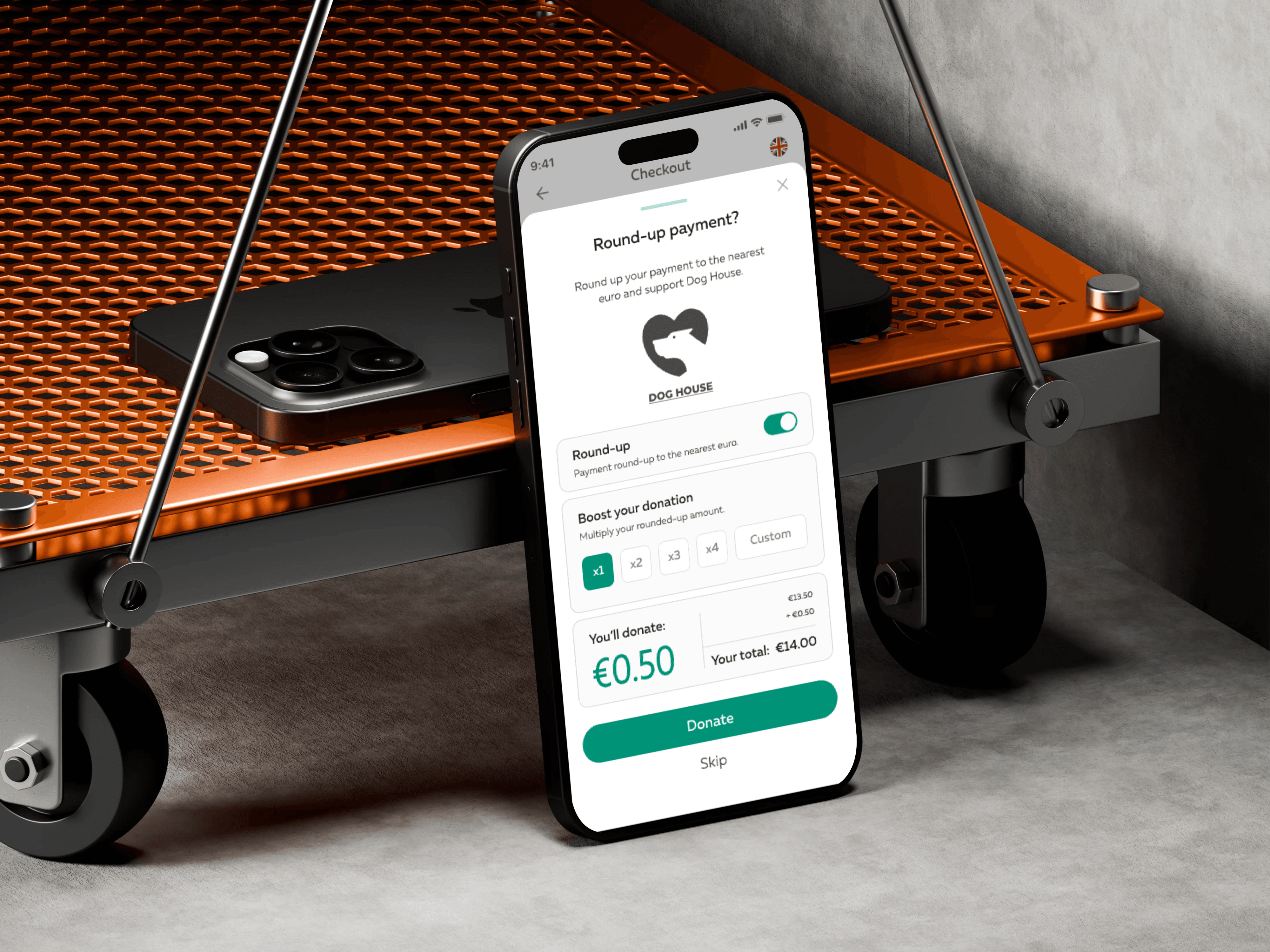
Round-up donation feature encourages low-effort social contribution.
Subscription plan offers ad-free experience and early access to offers.
Key Product Decisions
-Prioritized delivery based on research indicating 70% preference
-Designed scalable partner architecture to address limited local supply
-Integrated accessibility from the start (voice search, contrast validation, bilingual UI)
-Introduced round-up donation as a low-friction behavioral nudge
-Built a flexible payment ecosystem to remove transactional barriers
-Created custom design system to support long-term scalability
Results
Hungry Monkey demonstrated strong behavioral and market alignment during validation.
Research Validation
70% preferred delivery over pickup.
Users responded positively to transparent pricing and tracking.
Donation round-up increased willingness to support local causes.
Usability Impact
Discovery became faster through filtering and voice search.
Trust perception improved through allergen transparency and tracking.
Checkout flow reduced friction through payment flexibility.
Business & Ecosystem Potential
Clear value proposition for partners through loss reduction and reputation building.
Scalable marketplace model capable of expanding regionally.
Structured ecosystem supporting long-term adoption.
What I learned?
-Marketplace design requires balancing user trust with business incentives.
-Sustainability products succeed when convenience matches intention.
-Behavioral nudges work best when they are effortless and optional.
-Designing scalable systems demands thinking beyond individual screens.